Coronary Artery Calcium Scan Highlighted as Key Tool for Heart Disease Risk Assessment
Medical experts in Wichita-Hutchinson Plus are highlighting the coronary artery calcium (CAC) test, a scan used to assess heart disease risk by measuring calcified plaque in arteries, particularly for individuals at borderline risk. The test is described as a decision-making…

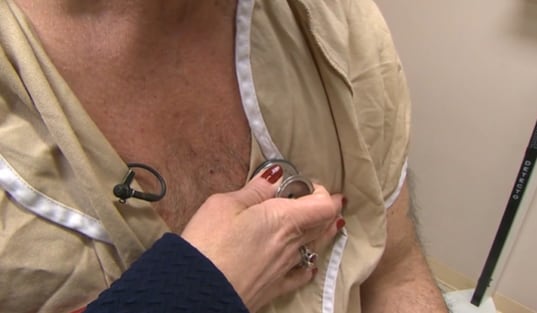
 Wichita Hutchinson Plus, KS, November 24, 2026 — Medical professionals at Wichita-Hutchinson Plus are drawing attention to the coronary artery calcium (CAC) test as a valuable tool for assessing an individual’s risk of heart disease. This diagnostic scan focuses on detecting and quantifying calcified plaque buildup within the coronary arteries.
The CAC test is particularly emphasized for its utility in evaluating individuals who fall into a borderline risk category for heart disease. According to medical experts, the scan provides crucial data that can help refine risk assessments beyond traditional factors.
Rather than being presented as a widespread screening method for the general population, the CAC test is characterized as a specific decision-making tool. Its application aims to offer clearer insights for patients and clinicians when determining the most appropriate course of action for preventing future cardiac events.
By measuring the amount of calcium present in the artery walls, the test offers a direct indication of atherosclerosis, a condition where plaque accumulates and can narrow or block arteries. This calcification is a marker for coronary artery disease.
The information derived from the CAC test can inform treatment strategies, potentially guiding decisions about lifestyle modifications, medication, or further diagnostic procedures. The specific details regarding the availability or the exact protocols for recommending this test within the Wichita-Hutchinson Plus network were not provided in the summary.
Story summarized from the original created by Margot Rowe, KWCH Staff on www.kwch.com, see more information here.
Media gallery